Eating More Protein Builds Muscle Faster
Everyone thinks protein is the secret to getting muscular but that’s a misconception. While protein does help with muscle repair and growth, consuming excessive amounts won’t make you bulk up faster. Your body can only use so much protein for building muscle, so the real key? Hit the weights and start pumping iron!
Advertisement
Carbs Are The Worst Food For Fat Loss
Carbohydrates have often been cast as the villains in dieting, especially with the rise of low carb trends but not all carbs are created equal. Complex carbs like whole grains, vegetables, and legumes are loaded with fiber, vitamins, and minerals. Cutting them entirely can rob your body of essential nutrients, leading to fatigue and digestive issues. If carbs are the bad guys of the food world, they’re more like nuanced anti-heroes than cackling villains exactly the kind every good story needs.

Advertisement
Fat Makes You Fat
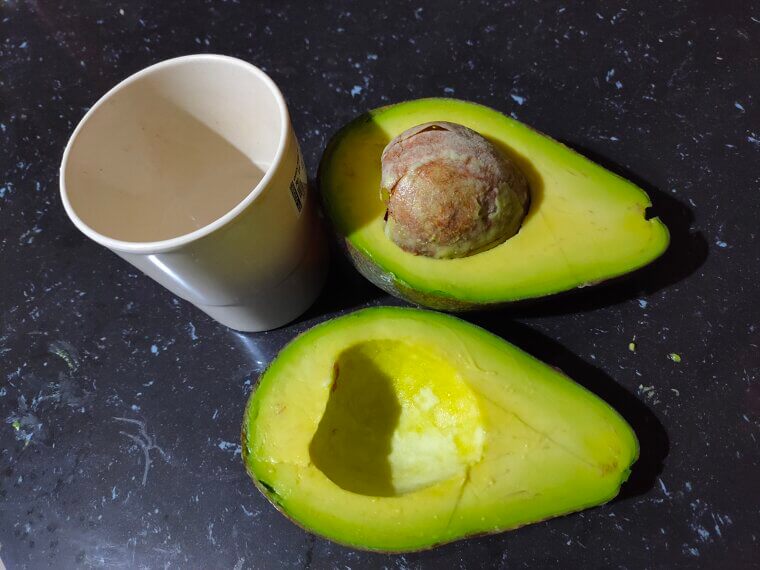
One of the biggest myths we’ve believed is that eating fat automatically causes weight gain. While fats are calorie-dense, they’re essential for vital functions like hormone production, brain health, and nutrient absorption. Healthy fats from avocados, olive oil, and nuts can even help you feel full longer who doesn’t want that?
Advertisement
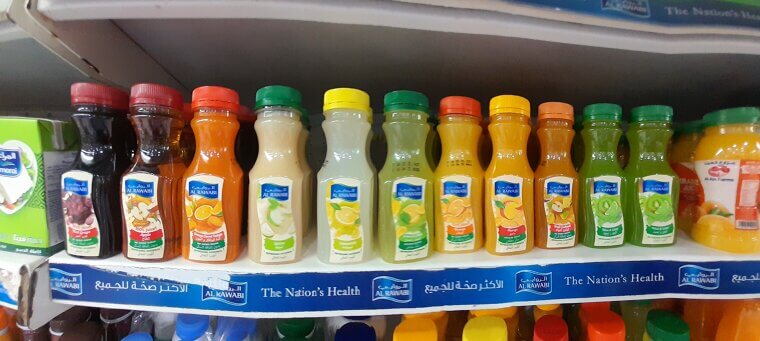
All Fruit Juices Are Healthy
Fruit juices often get a reputation for being healthy, but they’re only marginally better than soda. Packed with natural and sometimes added sugars, they can keep you reaching for another glass just as much as a soft drink.
Advertisement
You Should Avoid Gluten At All Costs
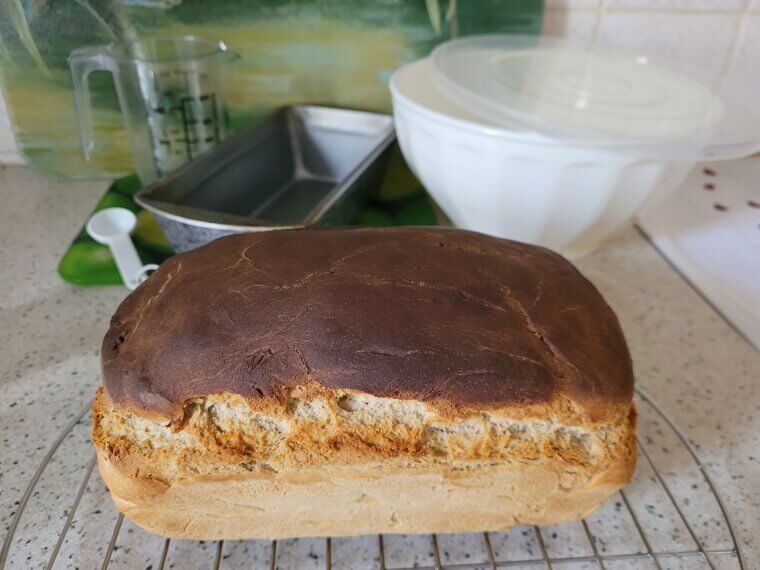
While gluten can be problematic for those with an intolerance, most people have no reason to avoid it. Gluten a protein found in wheat, barley, and rye is safe for the majority and can be part of a balanced diet. In fact, gluten containing foods like whole grains offer valuable nutrients such as fiber and iron.
Advertisement
Detox Diets Are Essential For Cleansing Your Body
Detox diets often marketed as a way to flush toxins from your body are largely unnecessary. Your liver and kidneys already do an excellent job of detoxifying naturally, so there’s no need for expensive cleanses or restrictive plans. Instead, support your body’s natural detox system through a balanced diet and healthy habits it’s not only better for you, but easier on your wallet too.

Advertisement
Eating After 8 PM Causes Weight Gain
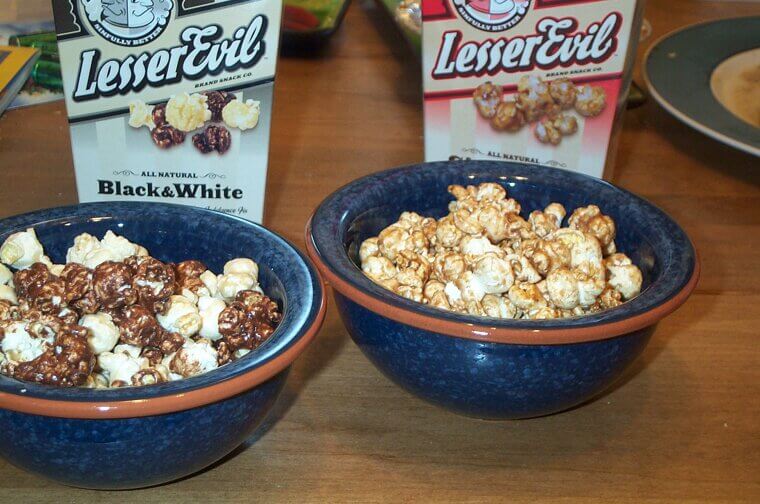
This myth claims that eating late at night causes weight gain, but what really matters is your total calorie intake over the day. It’s not when you eat, but how much and what you eat that counts. Timing is less important than the quality and quantity of food, though skipping unnecessary midnight snacks can still help if you’re aiming to lose weight.
Advertisement
Eating Fat-Free Means Healthy
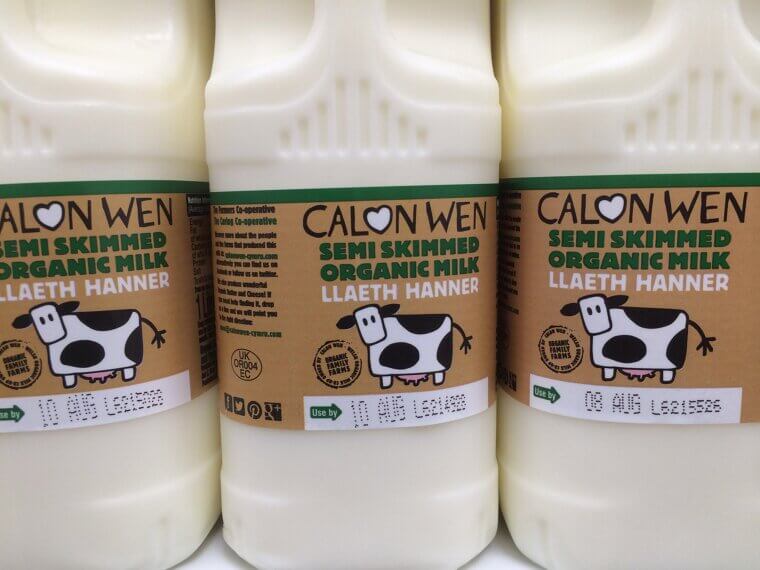
This one might be hard to swallow pun intended but fat free doesn’t automatically mean healthy. Many fat-free or low fat products make up for the missing fat with added sugar, salt, and artificial ingredients to boost flavor, which can actually make them less healthy overall.
Advertisement
Sugar-Free Means No Sugar Impact
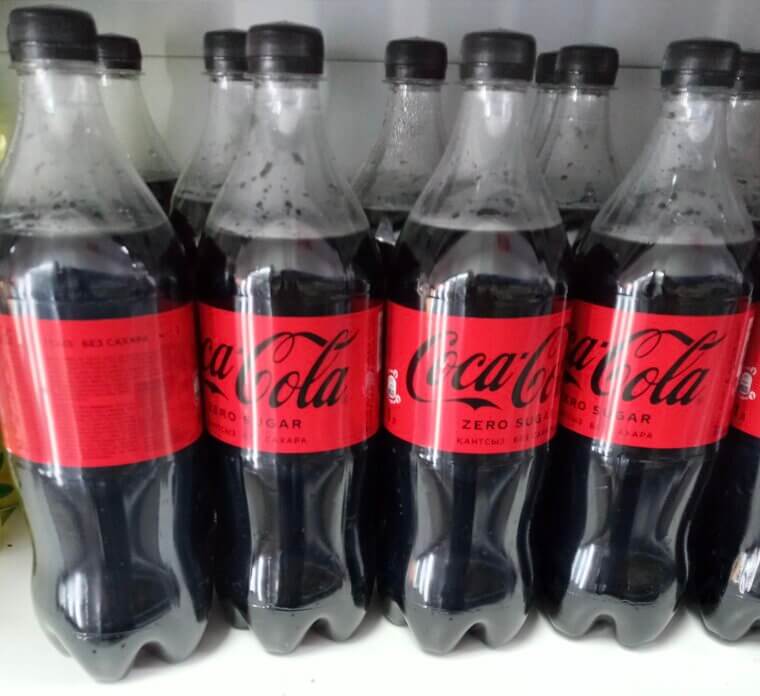
Just like fat-free products, sugar-free foods aren’t always as harmless as they seem. They can still affect your body’s sugar levels, since many contain sugar alcohols sugar’s fun cousins. It’s best to stick with natural, minimally processed foods, read labels carefully, and focus on reducing your overall sugar intake.
Advertisement
All Calories Are Created Equal
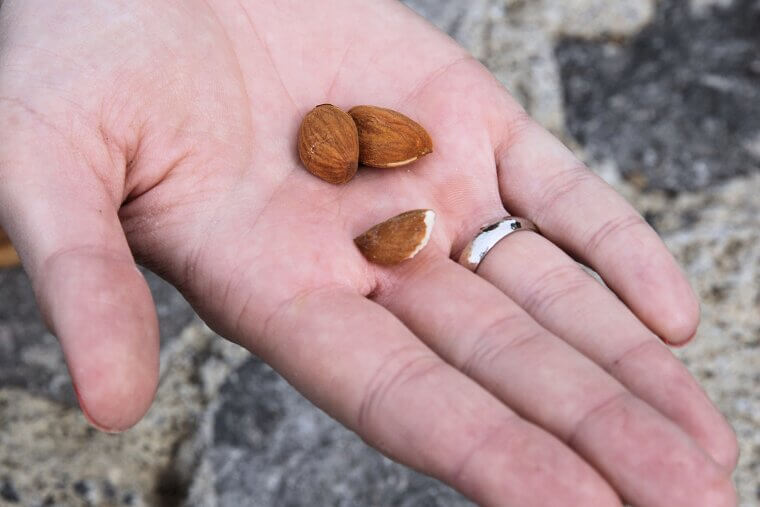
The saying a calorie is a calorie oversimplifies the science of nutrition. While total calorie intake matters for weight management, the source of those calories makes a big difference. For instance, 100 calories from a sugary soda are processed very differently than 100 calories from a handful of almonds. In other words, not all calories are created equal some foods are far healthier than others.
Advertisement
Eating More Fiber Will Always Improve Digestion
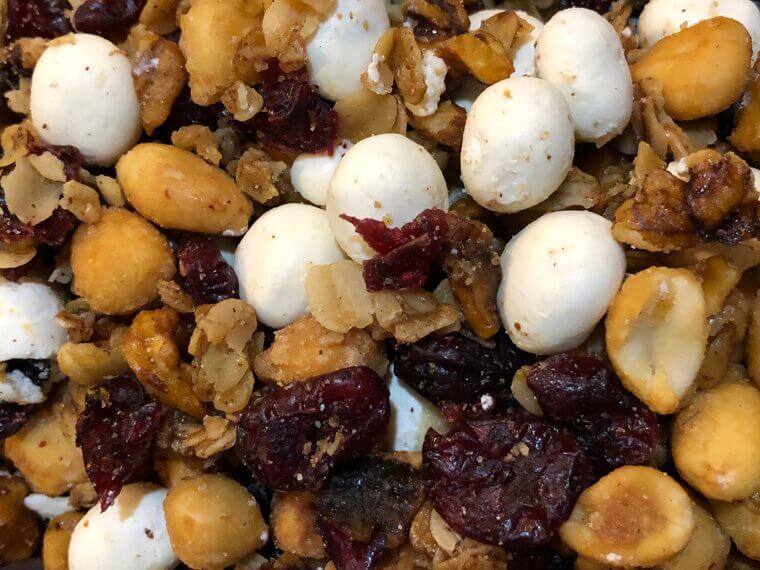
Fiber is important for digestive health, but it’s not a one-size-fits-all solution. For some people especially those with conditions like irritable bowel syndrome (IBS) too much fiber can lead to bloating, gas, and discomfort. So while fiber is generally beneficial, it’s best to adjust your intake to what works for your body.
Advertisement
Coconut Oil Is A Superfood
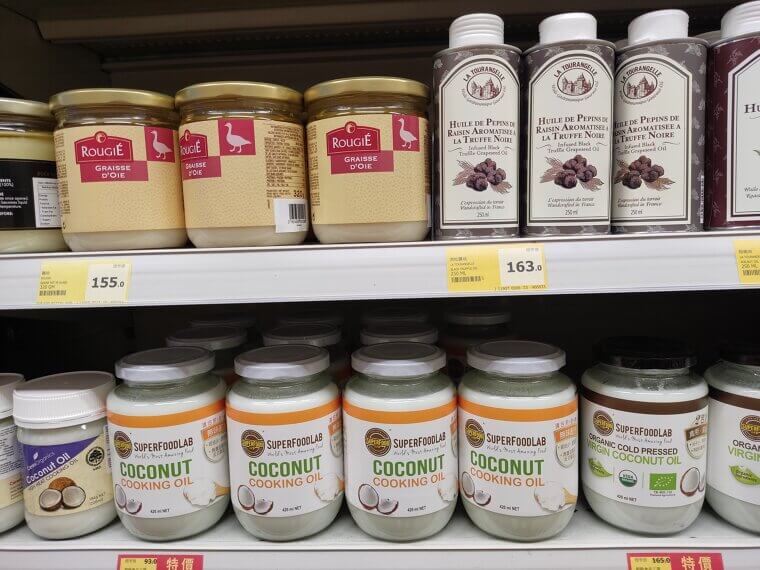
Coconut oil has earned its superfood reputation, but it’s not quite the miracle some claim. While it does offer certain health benefits, it’s also high in saturated fat. Using it in moderation whether for cooking or as a supplement is the smartest approach.
Advertisement
Vegan Diets Are Automatically Healthier
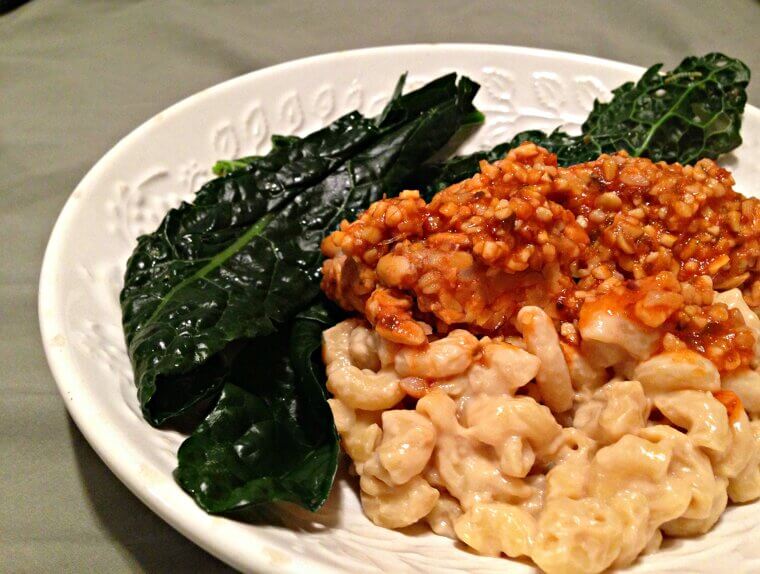
Vegan diets can be very healthy, but they aren’t automatically so. While plant based eating is rich in fruits, vegetables, legumes, and whole grains, it’s still possible to rely heavily on processed vegan foods high in sugar, sodium, and unhealthy fats. Plus, some nutritional needs may be harder to meet on a strictly vegan diet so planning is key.
Advertisement
All Calories From Alcohol Are Empty Calories
Alcohol is often labeled as empty calories, but that’s not the whole story. While it does provide calories with few nutrients, it still contributes energy to the body. Some drinks, like red wine, even contain small amounts of antioxidants that may offer health benefits. So next time someone lectures you about drinking, just share this perspective!

Advertisement
You Can Lose Weight With “Fat-Burning” Supplements
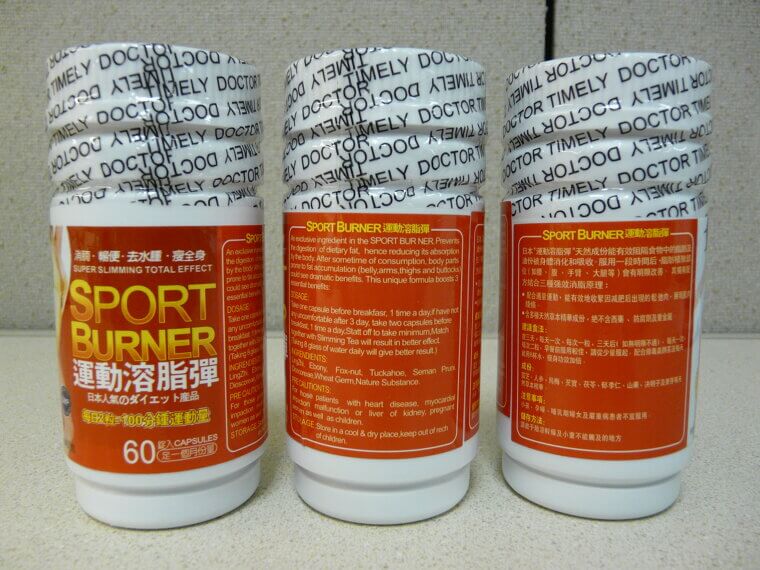
Many people try fat burning supplements hoping for quick weight loss, but science shows most of them are ineffective. These products often rely on stimulants or laxatives expensive boosters that can leave you running to the bathroom. And in the long run, any lost weight usually comes back once the supplements are stopped. You could almost call them commercialized Trainspotting.
Advertisement
You Need Supplements To Meet Your Nutritional Needs
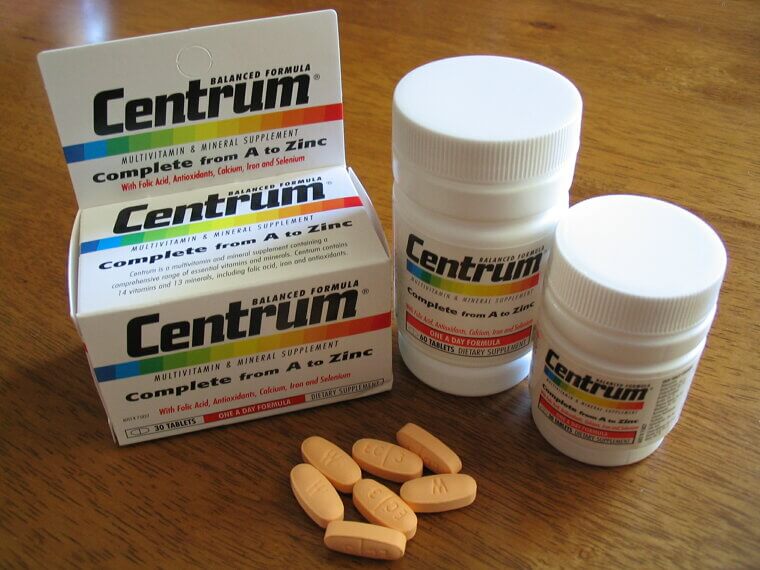
Supplements can be useful in specific cases, but they’re no substitute for a balanced diet. Most people can meet their nutritional needs through whole foods like fruits, vegetables, whole grains, lean proteins, and healthy fats.
Advertisement
The More You Sweat, The More Calories You Burn
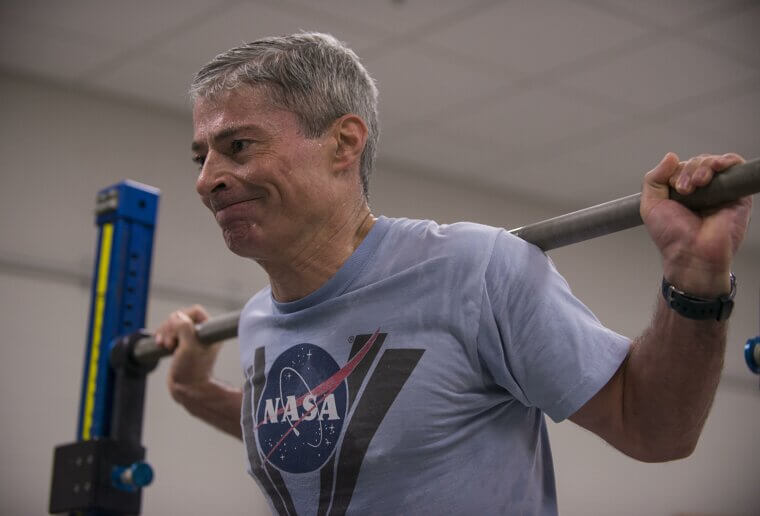
It might surprise you, but sweating doesn’t automatically mean you’re burning more calories. While intense exercise can make you sweat, the amount you perspire mostly reflects your body’s effort to cool itself not how much fat you’re losing.
Advertisement
Fresh Vegetables Are Better Than Frozen
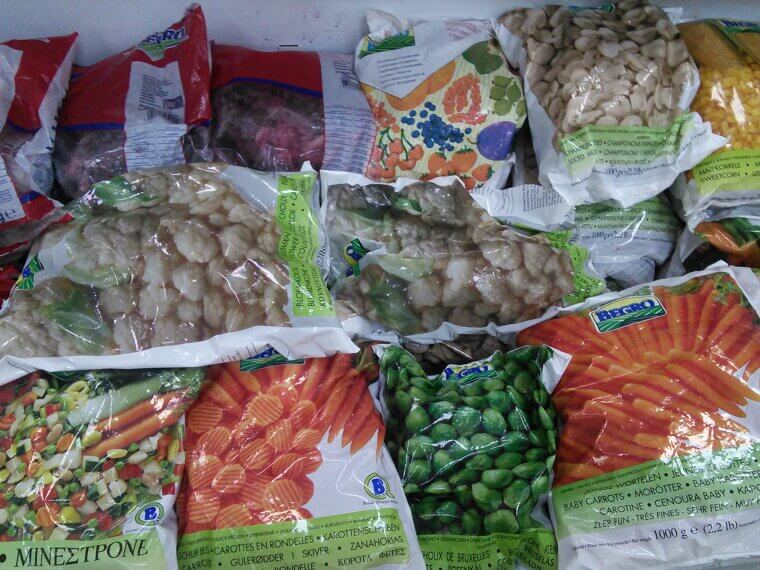
Fresh vegetables are often considered more nutritious than frozen, but that’s not always true. In many cases, frozen vegetables retain just as many nutrients and sometimes even more than their fresh counterparts. So don’t dismiss frozen veggies without giving them a try!
Advertisement