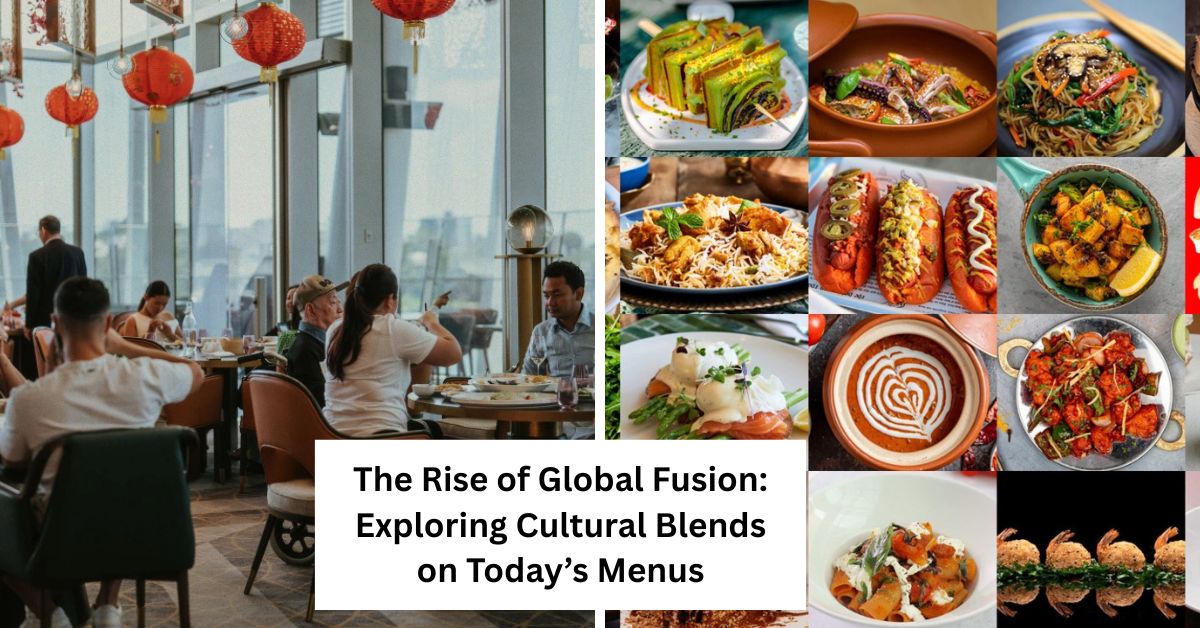
Global cuisine is changing faster than ever. Today’s menus are filled with bold flavors, unexpected pairings, and fresh ideas inspired by cultures from around the world. This exciting shift is known as global fusion, and it has become one of the biggest trends shaping modern dining.
From street food stalls to high end restaurants, chefs are mixing ingredients, techniques, and traditions to create dishes that bring cultures together. These meals feel familiar yet exciting comforting but adventurous. In 2026, global fusion isn’t just a trend. It’s a cultural movement.
we’ll explore why global fusion is on the rise, how it’s influencing today’s menus, and the dishes redefining how we eat. If you love food, travel, and culture, you’re in the right place.
What Is Global Fusion Cuisine?
Advertisement
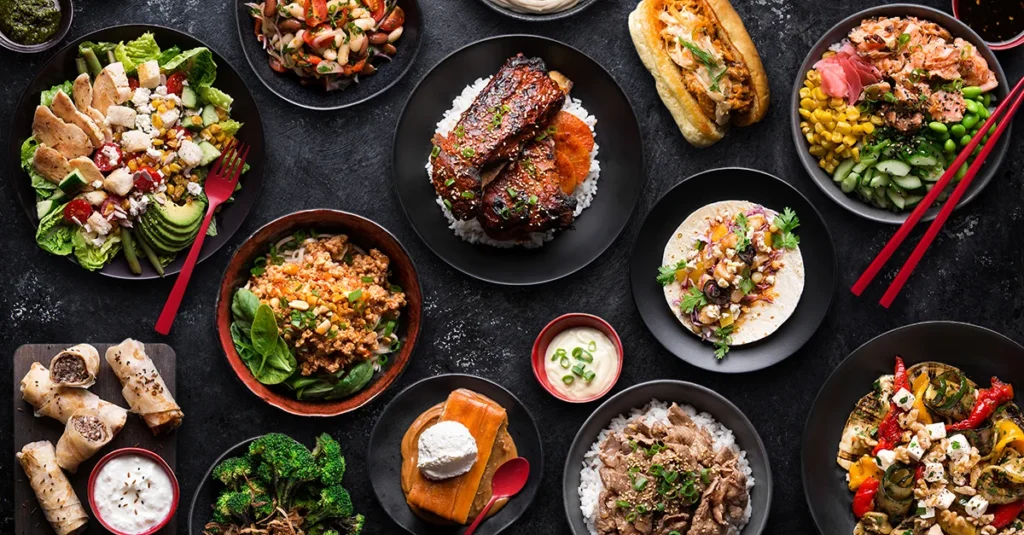
Global fusion cuisine blends flavors, cooking styles, and cultural influences from multiple parts of the world.
The goal is not to copy a traditional dish but to reimagine it in fresh ways.
For example:
- Korean tacos
- Sushi burritos
- Butter chicken pizza
- Ramen burgers
- Mexican Korean BBQ bowls
These dishes mix ingredients and traditions to create something new, fun, and flavorful.
Fusion cuisine used to be viewed as experimental, but today, it’s mainstream. Chefs and diners now celebrate creativity, diversity, and global inspiration.
Why Global Fusion Is Trending in 2026

Advertisement
Several cultural and lifestyle shifts have pushed fusion cuisine into the spotlight. Here are the biggest reasons why global fusion is shaping menus around the world:
A More Connected World
Thanks to social media, travel, and global migration, people are more exposed to different cultures than ever before.
Food became the easiest way to explore new traditions.
Consumers Want Bold Flavors
Diners today want experiences, not just meals.
They love trying new combinations, spices, textures, and cooking techniques.
Younger Generations Are Driving the Trend
Millennials and Gen Z grew up with diverse foods Thai, Mexican, Italian, Ethiopian, and Korean often enjoyed side by side.
For them, fusion feels natural and exciting.
Chefs Are More Creative
Modern chefs break the rules confidently.
They experiment with ingredients, mix regional styles, and challenge traditional boundaries.
Cultural Appreciation and Respect
Fusion is shifting away from appropriation toward appreciation.
Chefs now collaborate with cultural experts, celebrate origins, and honor traditions while innovating.
Global Pantry Ingredients Are More Accessible
Ingredients like miso, tahini, gochujang, nori, za’atar, and harissa are now common in grocery stores worldwide.
This makes fusion cooking easier at home and in restaurants.
The Building Blocks of Global Fusion Cuisine
Advertisement
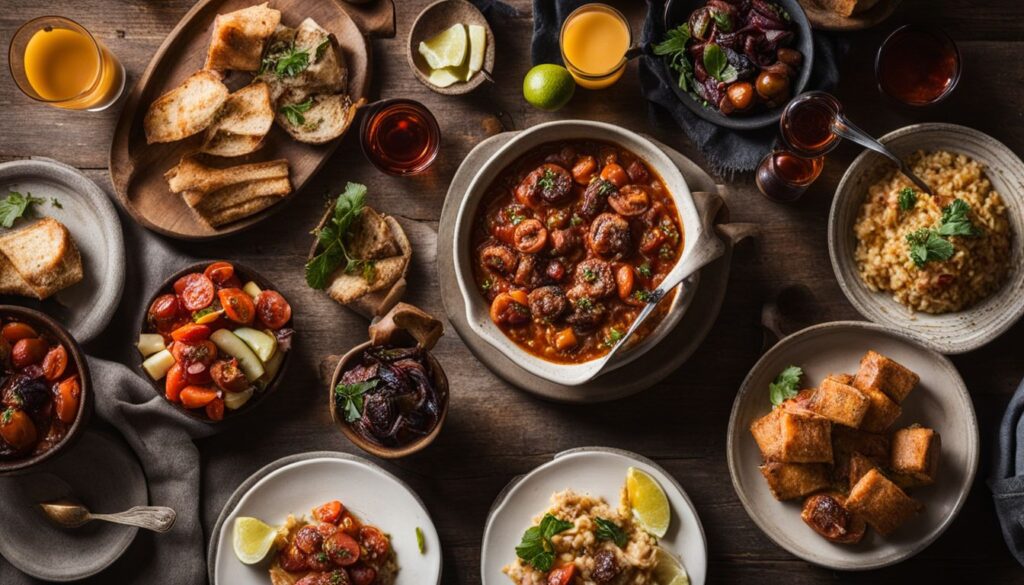
Fusion food looks effortless, but it relies on smart technique and thoughtful pairing. Here’s what makes it work:
Balance of Flavors
Most fusion dishes follow key flavor principles:
- Sweet + spicy
- Tangy + savory
- Creamy + crunchy
- Fresh + bold
This creates layers of taste that keep every bite interesting.
Cultural Techniques
Fusion isn’t just about mixing ingredients; it blends cooking styles too.
Examples:
- Japanese precision with Mexican spices
- Italian pasta with Thai herbs
- Middle Eastern grilling with Indian marinades
The result is food that feels beautifully complex.
Ingredient Innovation
Chefs use global pantry items such as:
- Gochujang
- Harissa
- Furikake
- Togarashi
- Chipotle
- Tahini
- Lemongrass
- Coconut milk
These flavors mix seamlessly into modern dishes.
Popular Global Fusion Trends on Today’s Menus
Advertisement
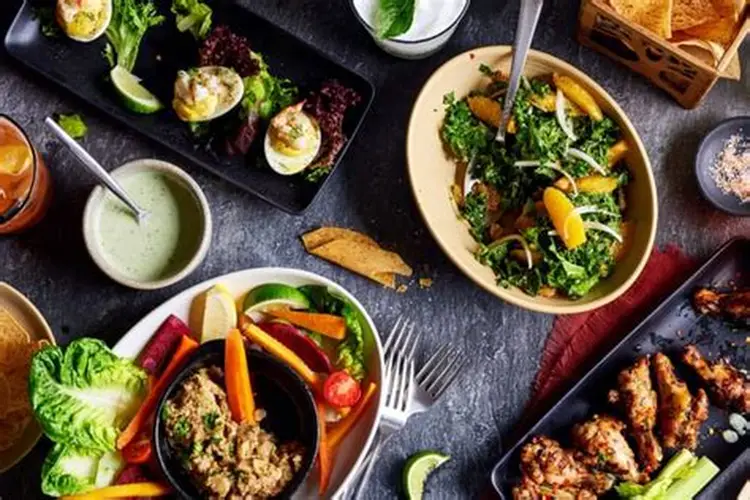
Fusion is evolving, and 2026 menus reflect several exciting trends.
Korean-Mexican Fusion
This is one of the most famous fusion styles worldwide.
Think tacos filled with spicy Korean BBQ or burritos stuffed with kimchi fried rice.
Korean flavors like gochujang and bulgogi pair perfectly with Mexican tortillas, salsas, and toppings.
Japanese-Peruvian (Nikkei) Cuisine
A blend of delicate Japanese technique with bold Peruvian ingredients.
Popular dishes include:
- Tiradito (similar to sashimi with Peruvian spices)
- Miso-marinated fish with citrus
- Japanese rice bowls with Peruvian chiles
It’s sophisticated and full of vibrant colors.
Middle Eastern-Mediterranean Mashup
This trend focuses on freshness and comfort.
Chefs blend hummus, grilled meats, spices, and herbs with Italian or Greek influences.
Dishes often include:
- Shawarma pizza
- Falafel tacos
- Labneh pasta
Balanced, bright, and wholesome.
South Asian-Western Comfort Food
Indian and Pakistani flavors mixed with Western classics.
Examples include:
- Masala mac and cheese
- Butter chicken fries
- Biryani bowls with global toppings
These dishes bring heat, richness, and nostalgia together.
African Fusion on the Rise
African flavors are finally getting global recognition.
We’re seeing blends such as:
- West African jollof fried rice
- Ethiopian-spiced burgers
- Berbere-seasoned chicken wings
They’re bold spicy, and full of depth.
Plant-Based Fusion
Fusion works beautifully with plant forward trends.
Chefs use tofu, mushrooms, jackfruit, and spices from around the world to create hearty vegetarian dishes.
Why Diners Love Global Fusion Cuisine
Advertisement
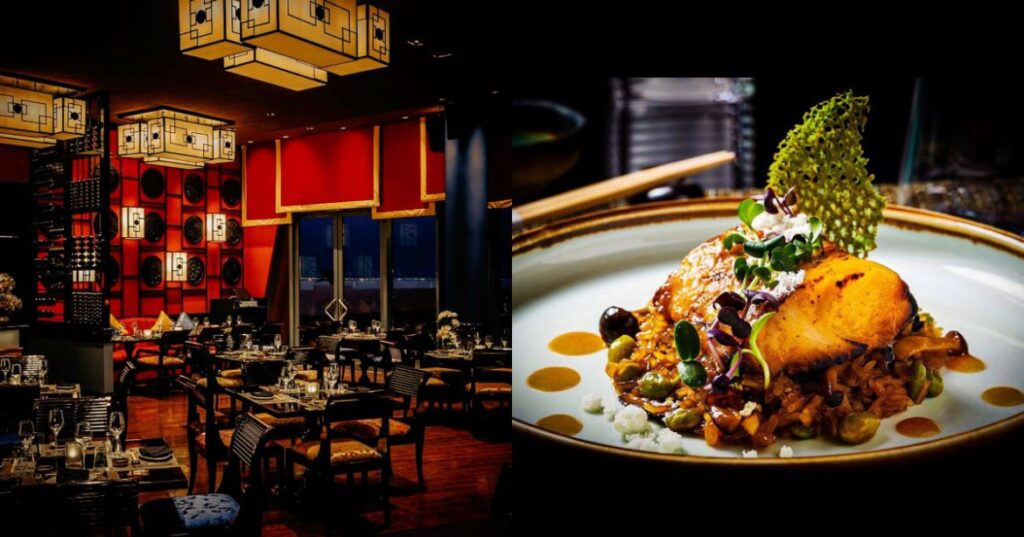
Fusion cuisine has become a worldwide favorite because it delivers what modern eaters want.
It Feels Fun and Adventurous
Every fusion dish feels like trying something new, even if the base ingredients are familiar.
It Offers Cultural Connection
People love learning about global flavors, ingredients, and stories.
It Feels Inclusive
Fusion food often reflects blended communities and shared traditions.
Perfect for Social Media
Colorful, bold dishes photograph beautifully.
They often go viral on TikTok, Instagram, and YouTube.
It Matches Modern Lifestyles
Fusion meals are usually:
- Quick
- Casual
- Easy to customize
- Affordable
This works for fast paced lives.
Examples of Trending Fusion Dishes in 2026
Advertisement
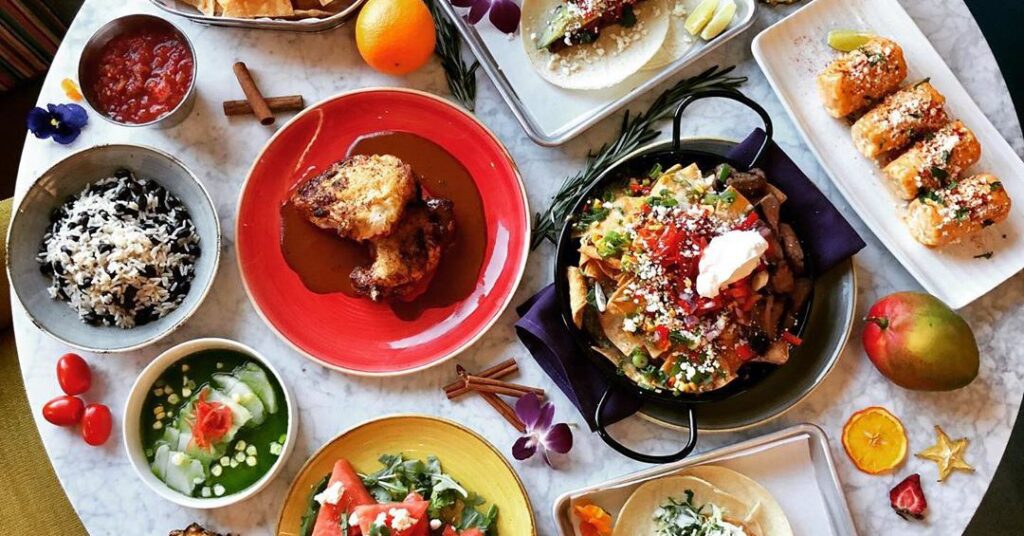
Here are some fusion dishes taking over restaurant menus today:
Kimchi Grilled Cheese
Tangy kimchi + melty cheese = perfect balance of heat and comfort.
Tandoori Spiced Chicken Tacos
Indian spices inside a Mexican classic full of flavor and color.
Sushi Burritos
A giant sushi roll wrapped like a burrito, filled with rice, veggies, and fresh fish.
Harissa Pasta
North African spice paste mixed with creamy Italian sauces.
Ramen Carbonara
A Japanese Italian blend using ramen noodles instead of pasta.
Matcha Tiramisu
Traditional Italian dessert with Japanese matcha replacing cocoa.
These dishes show how global fusion can transform familiar meals into something exciting.
How Restaurants Are Embracing Global Fusion
Advertisement
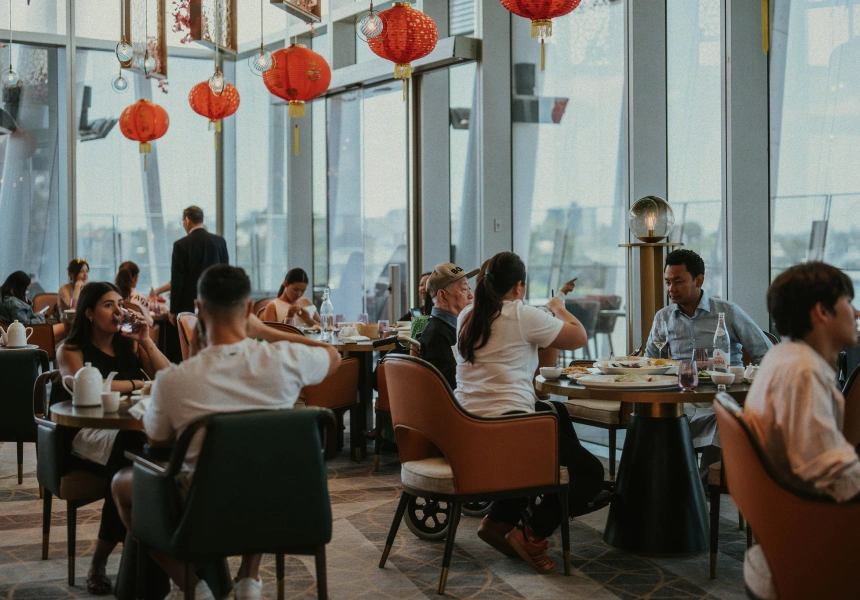
Restaurants are rethinking how they design their menus, thanks to fusion’s popularity.
Signature Fusion Dishes
Many restaurants now highlight at least one fusion dish as their signature item.
Cross-Cultural Collaborations
Chefs from different backgrounds partner to create unique menus.
Fusion Brunches
Brunch menus now include:
- Chai pancakes
- Matcha waffles
- Spicy shakshuka with global toppings
Build-Your-Own Fusion Bowls
Bowls let diners mix cultures themselves using:
- Rice, noodles, or quinoa
- Proteins like tofu, chicken, or beef
- Global sauces like teriyaki, tikka, or chimichurri
Fusion Street Food Trucks
Street food is where fusion thrives.
Trucks often serve creative dishes like:
- Korean BBQ sliders
- Thai chili wings
- Mexican curry fries
Fusion Cuisine at Home: A Growing Trend
Advertisement
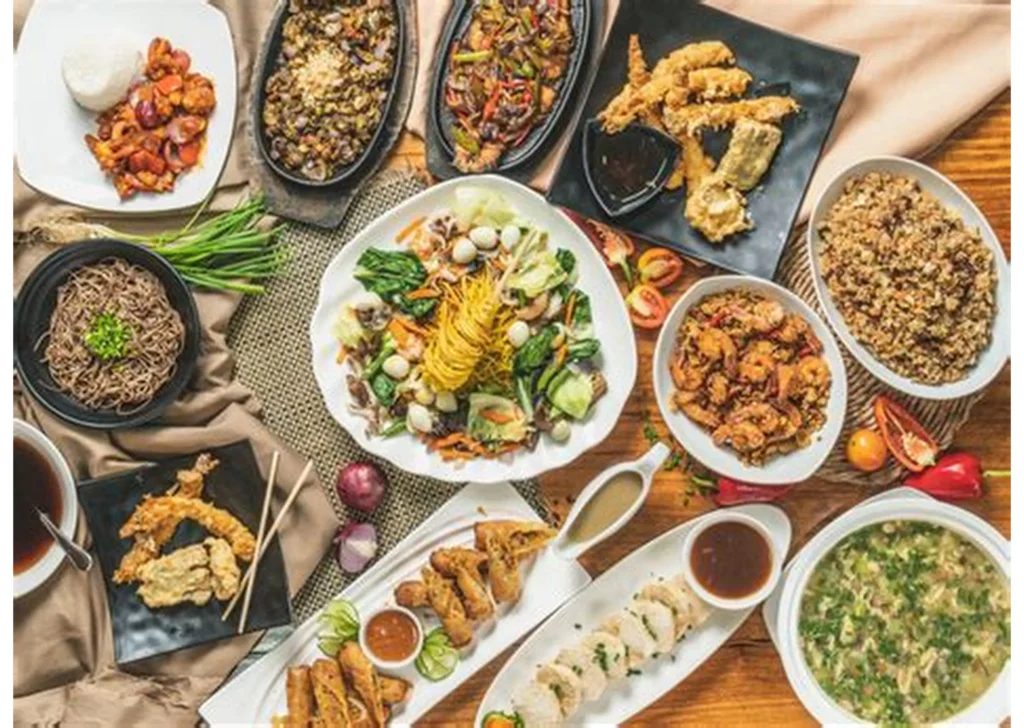
It’s not just restaurants adopting fusion people now experiment at home too.
Global spices and sauces are accessible
Supermarkets carry:
- Gochujang
- Sriracha
- Curry pastes
- Coconut milk
- Tahini
- Nori
This makes fusion cooking fun and simple.
Home cooks are more confident
Online recipes, cooking shows, and social platforms inspire people to try mixing cuisines.
Meal kits offer fusion recipes
Companies now send ingredients for dishes like:
- Bulgogi tacos
- Thai basil pasta
- Mexican ramen bowls
The Cultural Impact of Fusion Cuisine
Advertisement
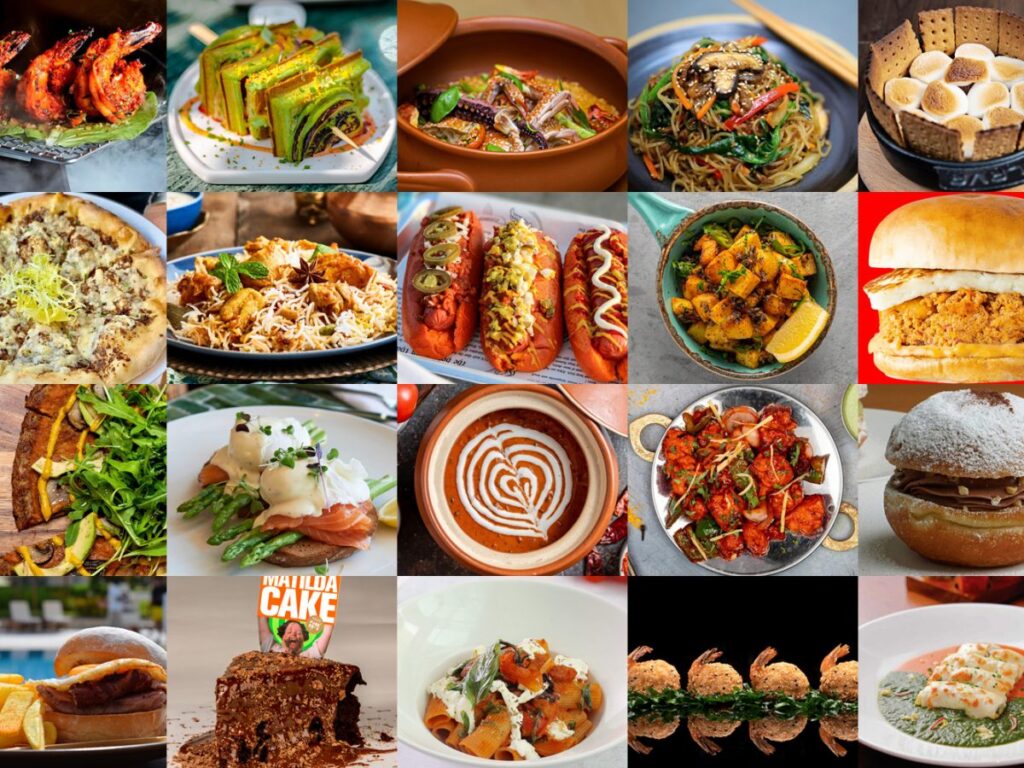
Global fusion isn’t just about flavor it reflects a deeper cultural shift.
It celebrates diversity
Fusion cuisine shows how cultures can blend beautifully.
It tells stories of migration
Many fusion dishes come from communities who combined their food traditions after relocating.
It encourages understanding
Trying another culture’s ingredients builds curiosity and respect.
It breaks food stereotypes
Fusion shows that food doesn’t have to be limited by geography.
The Future of Global Fusion Cuisine
Advertisement
The future looks exciting as global fusion continues to evolve. Here’s what we can expect:
More Region-Specific Fusion
Not just Asian fusion or Latin fusion, but more precise blends like:
- Japanese Dominican
- Turkish Korean
- Ethiopian Italian